



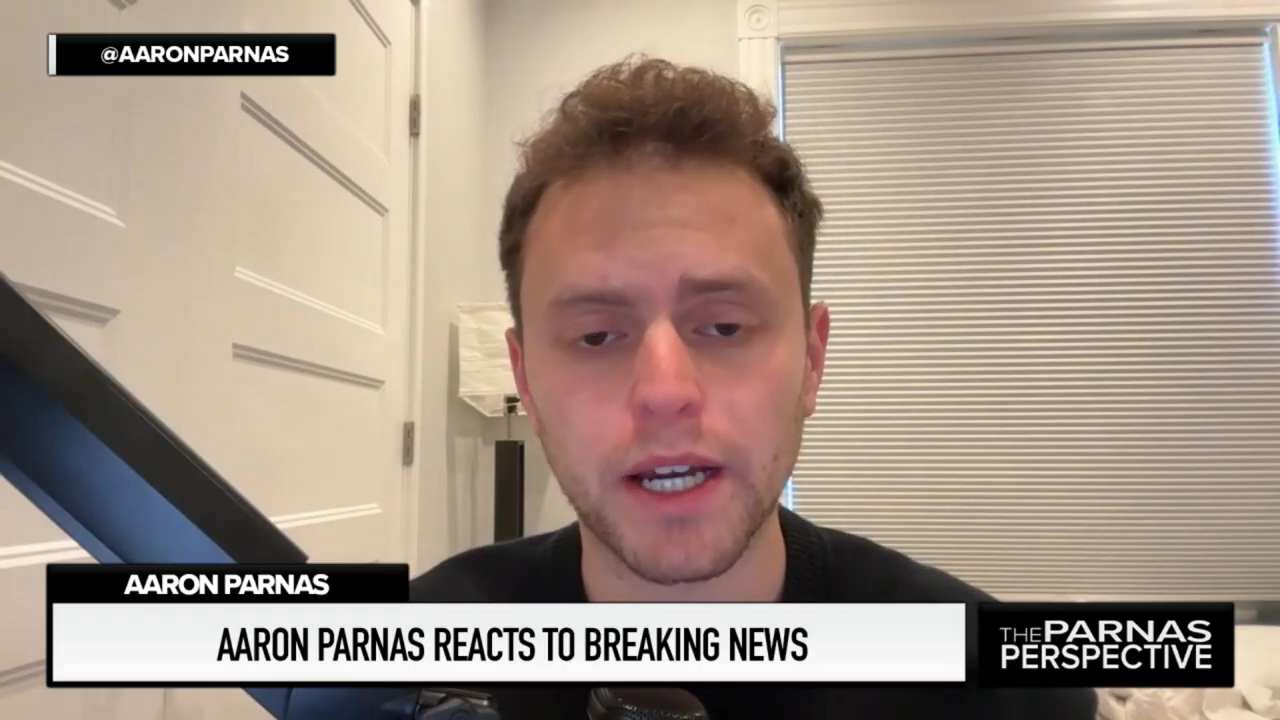
Good afternoon everyone, here is your critical mid day update from Capitol Hill. In the Oval Office, President Trump raised eyebrows by questioning why Japan did not warn the United States about Pearl Harbor while seated alongside Japan’s prime minister. At the same time, tensions between the United States and Israel appear to be growing, with Trump urging Netanyahu to halt oil strikes, while Iran claims it has struck a U.S. F 35 jet, marking the first reported hit on an American aircraft in this conflict.
Meanwhile, economic pressure is building as fuel prices continue to surge and broader cost increases begin spreading across the economy.
Here’s the news:
- Trump said the U.S. kept the attack secret to preserve surprise, stating, “We wanted it to be a surprise. Who knows better about surprise than Japan? Why didn’t you tell me about Pearl Harbor?”—a remark he made while sitting next to the Japanese prime minister to justify not informing allies.
- Strikes between Israel and Iran targeting major gas and energy facilities have sharply escalated the conflict and driven global oil and gas prices significantly higher. The attacks damaged critical infrastructure across the Gulf, raising fears of long term supply disruptions and broader economic shock. The situation has alarmed global leaders and allies, with warnings that continued escalation could destabilize energy markets and trigger lasting price increases worldwide.
- Trump said he spoke to Netanyahu and told him not to attack oil and gas fields, and claims Netanyahu agreed not to do it.
- According to Politico, House Speaker Mike Johnson said Congress must be prepared to fully fund defense as discussions intensify over a potential $200 billion request tied to the Iran war, emphasizing the need to respond to global threats. Lawmakers from both parties expressed uncertainty and concern about the size and scope of the funding, with some Republicans unsure if they would support it and Democrats signaling opposition. The debate highlights growing tension in Congress over the rising cost of the conflict and how to finance ongoing military operations.
- Gas prices across the United States have surged since the start of the Iran war, rising from under $3 per gallon to nearly $3.90 nationwide. The increase includes a sharp jump in recent days, reflecting growing pressure on energy markets. The spike highlights the direct impact of the conflict on everyday costs for consumers.
- President Trump said the Pentagon’s request for $200 billion in funding is not only tied to the war with Iran but also reflects broader military needs in a volatile global environment. He emphasized the scale and power of modern weapons while defending the request as careful and necessary. Defense Secretary Pete Hegseth supported the move, indicating that additional funding may still be required to sustain current operations and prepare for future military actions.
- A U.S. F-35 fighter jet made an emergency landing after experiencing an inflight issue during a combat mission over Iran, with officials citing suspected enemy fire as a possible cause. The aircraft landed safely and the pilot is in stable condition, though the incident remains under investigation. Iran’s military claimed it had successfully struck and damaged the jet, highlighting escalating risks in the conflict.
- China condemned Israel for killing senior Iranian officials, calling the targeting of state leaders and civilians unacceptable and opposing the use of force. Chinese officials urged an immediate ceasefire and warned that continued fighting could push the region toward an uncontrollable escalation. The statement reflects growing international concern over the widening conflict.
- The United Arab Emirates condemned Iran’s strike on a major gas facility in Qatar, calling it a terrorist attack and warning it threatens global energy security. Officials said the attack caused significant damage and raised concerns about environmental and humanitarian consequences. The UAE also expressed support for Qatar and its efforts to protect its security and stability.
- The United Nations has proposed creating a safety corridor to evacuate around 20,000 seafarers stranded on ships in the Persian Gulf amid the conflict. Officials warned that civilian crews should not be caught in geopolitical tensions and emphasized the risks they face, including danger and mental strain. The plan calls on all sides to allow safe passage for ships to protect those onboard.
- Tulsi Gabbard said that the United States and Israel have different objectives in the war against Iran, noting that Israel is focused on targeting Iranian leadership while the U.S. aims to weaken Iran’s military capabilities. She explained that U.S. goals center on destroying missile systems, production capacity, and naval forces rather than pursuing leadership targets. Her comments highlight a strategic divergence between the two allies in how they are approaching the conflict.
- Gabbard avoided directly answering questions about her personal views on the war with Iran, saying her role as Director of National Intelligence requires her to set aside personal opinions. When pressed about her past criticism of military action without congressional approval, she emphasized that her responsibility is to provide unbiased intelligence rather than express political positions. Her response frustrated some lawmakers who were seeking clarity on whether her views had changed.
- Gabbard further refused to answer whether Iran was an imminent threat to the United States:
- U.S. allies including the United Kingdom, France, and Germany said they are prepared to help reopen the Strait of Hormuz and ensure safe passage for shipping. They also signaled a willingness to take steps to stabilize global energy markets, including increasing production. The statement reflects growing international involvement as allies respond to disruptions caused by the conflict and condemn Iran’s attacks on shipping.
- Politico has confirmed that the Trump administration told oil industry leaders it will not impose a ban on U.S. oil exports despite rising energy prices caused by the Iran war. Officials said they are exploring other ways to address soaring costs as global oil prices have surged significantly since the conflict began. The decision reflects concerns from industry leaders and highlights the challenges of stabilizing energy markets during the crisis.
- Florida Governor Ron DeSantis rejected calls to suspend the state gas tax despite rising fuel prices, arguing that global oil fluctuations would likely cancel out any savings for consumers. He also warned that instability in Cuba could lead to a potential mass migration toward Florida, saying the state is preparing for that possibility. His comments reflect concerns about both the economic impact of the Iran conflict and broader regional instability.
- A report found that the Trump administration has been deporting parents without giving them the opportunity to make arrangements for their children, in apparent violation of its own policies. Interviews with deported parents revealed many were removed quickly without being asked about their children or allowed to coordinate care, leading to family separations and significant emotional distress. The findings have raised serious concerns about immigration practices, child welfare, and compliance with existing protections.
- Mortgage rates in the United States have risen to their highest level in more than three months as the Iran war fuels inflation concerns and drives up energy prices. The increase reflects broader market fears that higher oil costs could keep inflation elevated and delay expected interest rate cuts. The rising rates are already putting pressure on the housing market, with mortgage applications declining and affordability worsening for buyers.
See you soon.
— Aaron
Loading comments...