



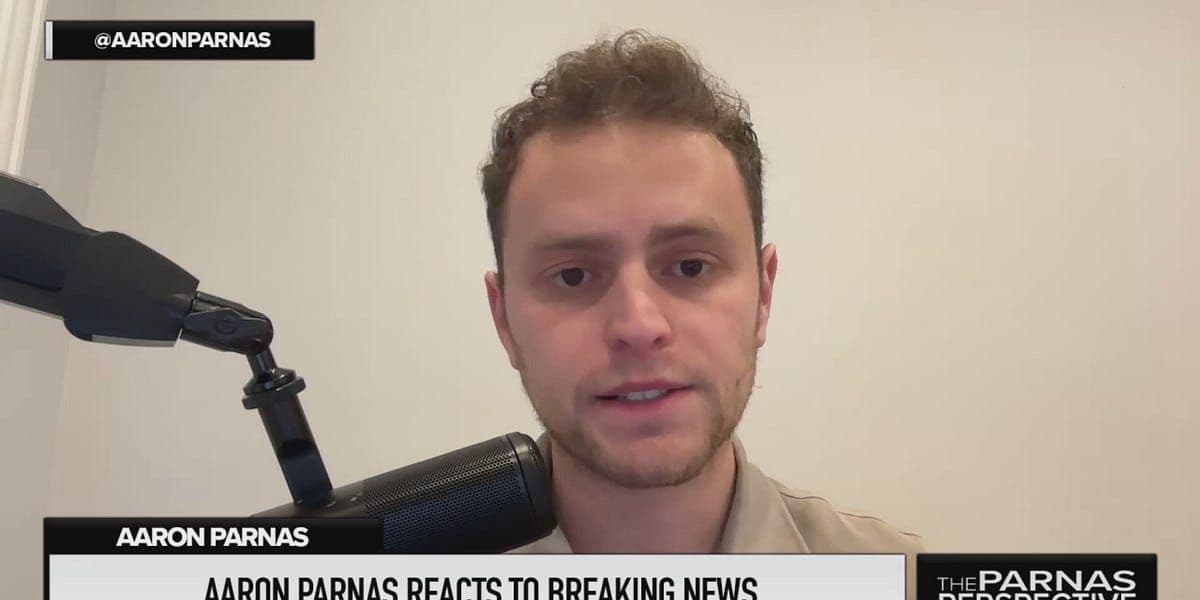
I have just finished reviewing roughly 2,000 Epstein documents, one thing has become immediately clear: the scale of material is far smaller than initially expected, and the review process itself is moving much faster than anticipated. The reason for this speed, however, is not efficiency or transparency—it is extensive redaction. An overwhelming majority of the files, approximately 80 percent, are either partially or completely redacted. In many cases, entire pages are obscured, leaving little more than black bars and vague headings. I am going to finish going through them by the end of the night at this pace, but I am not stopping now.
This level of redaction raises serious questions about the intent and scope of the release. While thousands of pages technically exist, the usable information contained within them is minimal. Names, dates, locations, and contextual details are routinely hidden, making it difficult—if not impossible—to draw firm conclusions from many of the documents. What remains visible often feels fragmented, stripped of the very details that would provide accountability or clarity.
Before outlining what has been observed so far, it is important to state a key principle: accountability should apply universally. It does not matter who appears in these documents or photographs. Political affiliation, celebrity status, or public perception should offer no protection. Everyone should be held to the same standard, without exception.
Based on the review thus far, one notable observation stands out. Despite widespread public discussion and speculation, Donald Trump appears in very few—if any—of the non-redacted files released in this batch. This is notable not because it clears anyone of wrongdoing, but because it highlights a discrepancy. It is already publicly acknowledged that his name exists somewhere within the broader collection of files. That reality naturally raises the question: if some names and images are visible, why are others still withheld? What criteria is being used, and what information is the Department of Justice choosing not to release?
Among the materials that are visible, there are photographs showing Jeffrey Epstein alongside Bill Clinton. These images, while not new to public discourse, reinforce known associations and underscore why transparency matters.
There are also photographs of Epstein with Michael Jackson. As with other materials, the context surrounding these images is limited, and in many cases accompanying information is heavily redacted. Without context, such images invite speculation rather than understanding, which again highlights the problem created by incomplete disclosure.
Beyond photographs, the document set contains numerous pages of written material that are almost entirely blacked out. These include what appear to be logs, notes, correspondence, and administrative records. In their current form, they offer little more than confirmation that information exists—but remains hidden.
Perhaps the most disturbing items encountered are scrapbook-style pages. These are described as graphic and deeply troubling, yet they too are heavily redacted. The fragments that remain visible suggest content of a horrific nature, but the extent and details are obscured. This selective visibility creates an unsettling dynamic: enough is shown to shock the reader, but not enough to fully understand or confront what is being documented.
Taken together, this release feels less like transparency and more like controlled exposure. While some information has been made public, much of what could provide real answers remains concealed. The result is a document dump that raises more questions than it resolves—about who is being protected, why certain materials are withheld, and whether full accountability is truly being pursued.
Until the redactions are meaningfully addressed, the public is left with fragments, shadows, and unanswered questions—hardly the standard of openness that such a serious matter demands.