



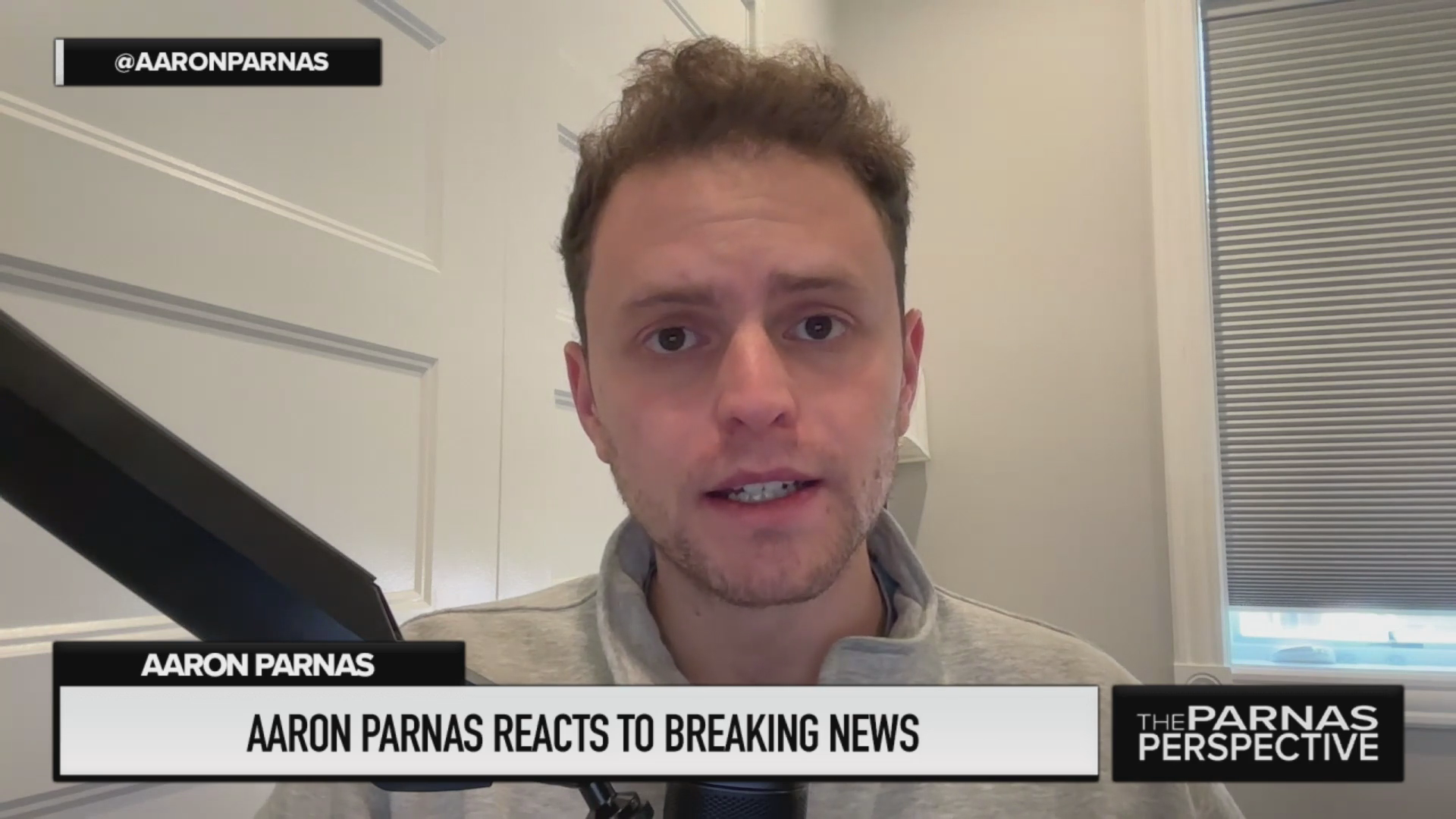
Tensions are escalating on multiple fronts in Washington and among U.S. allies, as mounting political scrutiny at home collides with deepening international divisions over security and immigration. From the beginning, I have been clear that I will not let the Epstein files fade from public view, even as attention shifts to war overseas. I am actively speaking with survivors, attorneys, and members of Congress to keep pressure on those in power. Subscribe to support this work and help ensure this story is never buried.
On Capitol Hill, the House Committee on Oversight and Government Reform has escalated its investigation into the Department of Justice by subpoenaing Attorney General Pam Bondi for a deposition scheduled on April 14. Committee Chairman James Comer confirmed the move in a letter sent after lawmakers voted to compel her testimony.
At the center of the inquiry is the DOJ’s handling of matters related to Jeffrey Epstein, whose 2019 death in federal custody continues to raise questions. Lawmakers are seeking clarity on the department’s compliance with the Epstein Files Transparency Act, a measure passed with overwhelming bipartisan support and signed into law by President Donald Trump in November.
The committee is also examining how the DOJ managed its broader investigation into Epstein and his network. Particular attention has been drawn to Ghislaine Maxwell, who was convicted in 2021 for recruiting underage girls for Epstein. Maxwell was interviewed in July by senior DOJ official Todd Blanche and has since sought clemency from Trump. During that interview, she stated she was unaware of any wrongdoing by the president in an effort to get a pardon.
While domestic scrutiny intensifies, friction is also growing between Washington and its European allies. Senator Lindsey Graham revealed that Trump is increasingly frustrated with Europe’s reluctance to support U.S. efforts in the escalating Iran conflict. Trump himself lashed out at NATO today:
Following a recent conversation with the president, Graham described Trump as unusually angry, pointing to what he sees as Europe’s failure to contribute to safeguarding the Strait of Hormuz, a critical artery for global energy supplies. Graham argued that the stability of the strait benefits Europe more than the United States, yet European nations have not matched the urgency of the situation.
He also criticized European governments for what he called a weak and ineffective approach to Iran’s nuclear ambitions, warning that their current strategy has failed to contain the threat.
At the same time, disagreements over immigration policy are adding another layer of strain to transatlantic relations. During remarks at the White House, Trump again took aim at European immigration systems, warning that the continent has experienced significant negative consequences and urging leaders to take stronger action.
In response, Irish Prime Minister Micheál Martin pushed back against that characterization, offering a sharply different perspective. Martin emphasized that Ireland’s population growth has been a positive force, driven by legal immigration that supports economic expansion.
He argued that Europe is often misrepresented in political rhetoric, noting that stronger systems are now in place to manage lawful migration and integrate newcomers effectively.
Taken together, the developments highlight a moment of heightened tension both within the U.S. government and between the United States and its traditional allies. Investigations at home and disagreements abroad are converging, underscoring deeper divisions over accountability, security, and the future direction of international cooperation.