



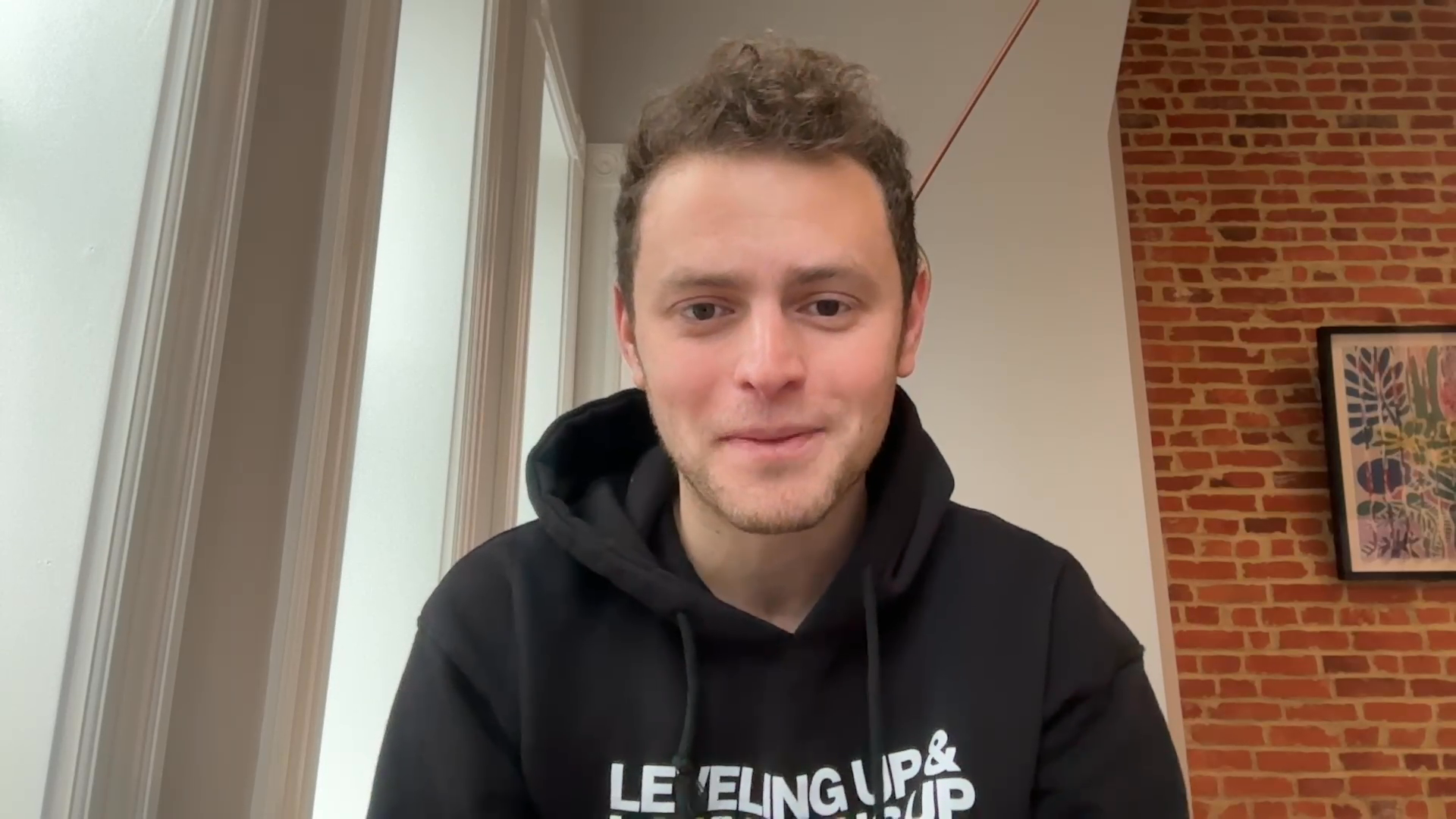
Good morning everyone, and happy Sunday. As always, this is your Sunday morning good news update. This is the second update this week, following a special edition on Christmas Day, because there is simply too much good news not to share. As always, I invite you to comment with one piece of good news from your own week and to share this so others can do the same.
On a personal note, one piece of good news I am incredibly grateful for is that this newsletter has now been ranked the number one “news” newsletter on Substack for six consecutive months and it is still growing. That success belongs to you. What we have built together in less than a year is truly remarkable.
At a time when CBS is moving closer to the White House, I am proud to remain fully independent. No one dictates what I report or how I report it. I answer only to you. If you value truly independent journalism, I encourage you to subscribe and help us keep building as we head into the new year. I have big plans ahead, and subscribers will be the first to know. Your support makes this possible.
Here’s some good news:
- After a five-month-old puppy named Shade vanished into freezing night temperatures in New Jersey, the veteran-founded nonprofit USAR Drone Team used a thermal-camera drone to locate him in just 41 minutes, reuniting him with owner Gina Manfredi after more than 24 hours missing and highlighting how founder Michael Parziale’s volunteer, donation-supported rescue mission is saving pets—and potentially people—through rapid, life-saving drone technology.
- A groundbreaking gene-editing therapy that reprograms patients’ white blood cells into a cancer-fighting “living drug” has sent nearly two-thirds of people with aggressive, previously incurable blood cancers into remission, with the first treated patient, Alyssa Tapley, now healthy, rebuilding her life, and aspiring to become a cancer scientist herself.
- After college senior Joey Romano was injured skateboarding near the University of Texas at Austin and chose an Uber over an ambulance due to insurance costs, driver Beni Lukumu not only drove him for free but stayed by his side for six hours in the ER when Romano had no family nearby—an act of compassion that helped pull Romano out of a deep period of grief and forged a friendship that has endured for seven years, powerfully illustrating how a single moment of kindness can change a life, as reported by TODAY.
- After 11 years of trying to conceive amid serious medical challenges that left her warned she might never become pregnant naturally, Helen Delgard and her husband Stephane began IVF treatment on Christmas Day, faced an early pregnancy scare with heavy bleeding, but ultimately welcomed their healthy son Noah—born at 37 weeks—turning a long, emotional fertility journey into a joyful Christmas miracle.
- After first stepping up during a prolonged government shutdown to help families left without Supplemental Nutrition Assistance Program benefits, Crescent City Kitchen in Atlanta—led by co-owner Crystal Drakes—expanded its compassion into a Christmas “Santa’s Workshop” giveaway, providing 100 handpicked families with free meals, household essentials, toys, bikes, and electronics, a gesture rooted in Drakes’ empathy as a single mother and her commitment to supporting families in need.
- After being devastated by spring wildfires that scorched 120,000 acres and displaced about 8,000 residents, the Spanish town of La Bañeza saw its fortunes dramatically reverse when it collectively won around half a billion USD in Spain’s El Gordo Christmas lottery—having purchased 117 winning numbers worth €400,000 each—potentially providing every resident with $20,000–$30,000 in much-needed relief, a moment Mayor Javier Carrera described as “something that has fallen from the heavens.”
- Thought extinct since 1996, the tiny Campbell’s keeled glass snail was rediscovered on Norfolk Island after a local shared a photo with biologist Isabel Hyman, leading Australian scientists to launch one of the largest captive breeding and reintroduction efforts ever for an invertebrate—growing the population to about 800 snails at Taronga Zoo before carefully reintroducing and monitoring them in protected island valleys, marking a major conservation win for a species once officially listed extinct by the IUCN and highlighting the often-overlooked importance of invertebrate conservation.
- Thousands of couples gathered beneath a towering 10-foot “National Mistletoe” suspended above Anthem Row in Washington, D.C. to celebrate “Merry Kiss-mas,” with 1,435 couples kissing for five seconds to set a new Guinness World Records milestone—shattering the previous record and turning a festive art installation into a joyful symbol of community, love, and holiday spirit.
@downtowndcbid
DowntownDC BID on Instagram: "We made history 💋🌿Downtown DC…
- In San Diego, a stranger asked Janae—a mom of four—for help wrapping a gift, then surprised her by giving her the cash inside as thanks for her kindness; the man was revealed to be viral content creator Jesus Morales, and the heartfelt moment has since inspired wider generosity, as reported by NBC News correspondent Gadi Schwartz.
- A major new study led by researchers at the University of Arizona reveals that scientists are now discovering over 16,000 new species every year—with 15% of all known species identified in just the last 20 years—driven by advances in molecular tools and exploration, overturning fears that biodiversity discovery was slowing and suggesting millions more plants, animals, fungi, and insects remain unknown, a surge that could fuel breakthroughs in medicine, technology, and conservation, according to findings published in Science Advances.
- After 42 consecutive days with no new infections, health authorities in the Democratic Republic of Congo—working with the World Health Organization—declared an Ebola outbreak over just three months after it began in September, having contained 64 cases (45 deaths) through a revamped national surveillance system, a milestone hailed as a major public-health achievement.
- Scientists monitoring the Antarctic ozone layer report that the 2025 ozone hole was the smallest and shortest-lived since 2019, a “reassuring sign” that global efforts to phase out ozone-depleting substances under the Montreal Protocol are working, according to data from the Copernicus Atmosphere Monitoring Service—with researchers noting earlier closure and reduced size compared to recent years of unusually large holes.
See you this evening.
— Aaron