



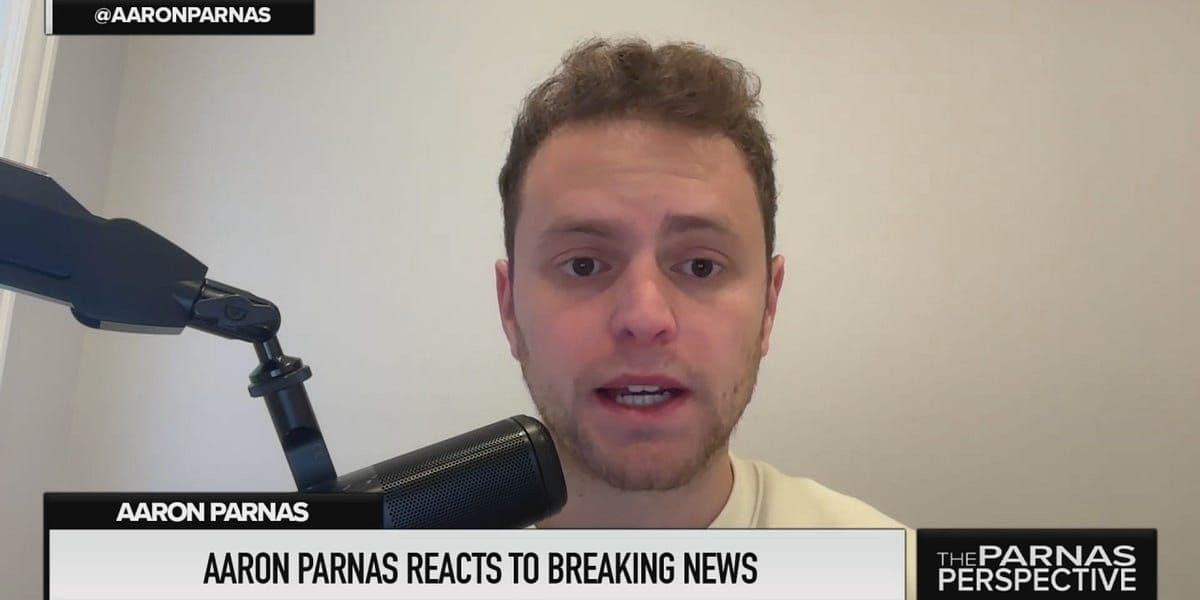
Good morning. I have completed a comprehensive review of every file released by the Department of Justice concerning Jeffrey Epstein and Ghislaine Maxwell. Let me be unequivocal: this production falls far short of what the law and the courts require. It violates the Epstein Files Transparency Act and defies existing court orders mandating the disclosure of grand jury materials in both the Epstein and Maxwell cases.
Survivors were promised transparency. Instead, they were met with omissions. Based on everything I’ve learned, substantial categories of documents the survivors reasonably expected—and were entitled—to see remain unreleased. That is unacceptable.
There is one meaningful development, which I address below. But make no mistake: this fight is only beginning. Pressure on the DOJ and the Federal Bureau of Investigation is intensifying, and a growing bipartisan chorus is demanding full accountability and complete disclosure.
Over the coming days, I will be speaking directly with survivors, their attorneys, and members of Congress. I will continue these conversations all weekend and into next week. I will not stop until the truth is fully exposed and every file that should be public is made public.
Here’s what you missed:
- The DOJ’s partial release of Epstein-related files confirmed that Maria Farmer reported Jeffrey Epstein to authorities as early as 1996, validating her long-standing claims, but many other survivors say the release has been frustrating, hard to navigate, and has failed to provide clarity or accountability for how authorities responded—or failed to respond—to their complaints. In 1996, Maria Farmer reported Jeffrey Epstein to the authorities. For nearly 30 years, many in the media and in law enforcement publicly claimed that she was lying. Why? Because if law enforcement acted in 1996, Epstein could have been apprehended well before much of his crimes were committed. The files released confirmed what she was saying was completely true. Her 1996 report was the major document in the first batch.
- In 1996, Maria Farmer reported Jeffrey Epstein to the authorities. For nearly 30 years, many in the media and in law enforcement publicly claimed that she was lying. Why? Because if law enforcement acted in 1996, Epstein could have been apprehended well before much of his crimes were committed. The files released confirmed what she was saying was completely true. Her 1996 report was the major document in the first batch.
- This is how Annie Farmer, Maria’s sister, reacted to the vindication:
- Ro Khanna and Thomas Massie are drafting possible articles of impeachment and inherent contempt against Attorney General Pam Bondi, but have not yet decided whether to move forward with them.
- The administration emphasized newly released, previously unseen photos of Bill Clinton in the partial Epstein document dump—highlighting images that a Justice Department spokesman labeled as involving a “victim”—while critics and Clinton’s spokesman Angel Ureña argued the focus appeared politically motivated and deflective, especially given Clinton has not been accused by law enforcement, and far fewer images of Donald Trump appeared despite his well-documented past association with Epstein.
- The latest Epstein records also implicate Donald Trump, showing photos of him stored on Epstein’s property and citing court documents that allege Epstein introduced a 14-year-old girl to Trump at Mar-a-Lago—an encounter Trump denies involved any wrongdoing.
- A Fox News report said the U.S. Department of Justice applied identical redaction standards to victims, politically exposed individuals, and government officials, prompting Thomas Massie to warn that Attorney General Pam Bondi could face future obstruction charges if such redactions violate the law—claims disputed by Todd Blanche, who said the department is not redacting politicians’ names.The U.S. Department of Justice acknowledged it may have “over-redacted” the Epstein files to protect victims, with Jay Clayton telling a court that nearly all women photographed with Epstein had their faces blacked out due to uncertainty over victim status and the tight 30-day deadline set by Congress.
- The U.S. Department of Justice acknowledged it may have “over-redacted” the Epstein files to protect victims, with Jay Clayton telling a court that nearly all women photographed with Epstein had their faces blacked out due to uncertainty over victim status and the tight 30-day deadline set by Congress.
- This is what a 119-page document released from either an Epstein or Maxwell grand jury looks like, completely redacted:
- In a letter to U.S. Congress, Todd Blanche said many Epstein records were withheld under deliberative process, attorney-client privilege, and work-product protections—akin to a Freedom of Information Act Exemption 5—arguing the Epstein Files Transparency Act does not explicitly require release of privileged materials, signaling broad continued redactions of core investigative documents.
- A spokesperson for Senator Dick Durbin and the Senate Judiciary Committee tells me: “The Justice Department’s failure to fully comply with the Epstein Files Transparency Act not only violates the law, it continues this Administration’s pattern of protecting President Trump and other perpetrators and perpetuating the ongoing Bondi-Patel cover up at the expense of Epstein’s survivors.”
- The latest Epstein document release swept up numerous high-profile figures—including Michael Jackson, Diana Ross, Walter Cronkite, Larry Summers, Steve Bannon, and Kathy Ruemmler—appearing in photos or records despite no evidence of wrongdoing, prompting reputational fallout such as Summers stepping back from Harvard and resigning from the board of OpenAI while expressing regret over his association with Epstein.
- Congressman Garcia said initial estimates suggest the public has seen only about 10% of the Justice Department’s Epstein records, with roughly half of that already released previously and the remainder heavily redacted, leaving “very little” meaningful information disclosed so far.
- Elise Stefanik announced she is ending her bid for New York governor and will not seek reelection to the House, citing family considerations and political realities in a heavily Democratic state, a move praised by Donald Trump that sets her departure from elected office in early 2027.
- Last night, Donald Trump’s North Carolina speech meant to highlight economic achievements instead veered into long personal tangents—about investigations, grievances, aesthetics, and even his wife’s lingerie—underscoring allies’ concerns that his free-associative style is diluting efforts to refocus voters on inflation, prices, and his economic message ahead of the midterms.
- NBC News is reporting that Benjamin Netanyahu plans to brief Donald Trump at a Mar-a-Lago meeting on options for new strikes against Iran, arguing its rapidly expanding ballistic missile program poses an urgent threat to Israel and U.S. interests, even as diplomatic talks and a fragile regional ceasefire complicate the decision.
- The U.S. military launched weeks-long strikes against ISIS targets in Syria after an attack killed two U.S. soldiers and a civilian interpreter, with Donald Trump saying the operation was intended as decisive retaliation and to prevent the group from reconstituting.
Let me know if you have any questions.
— Aaron