



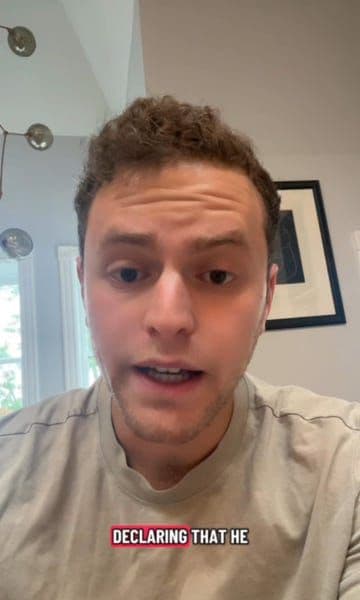
This morning, Donald Trump mad an announcement that he will be sending the United States military against Americans in Portland.
The announcement by President Donald Trump that he is directing Defense Secretary Pete Hegseth to send U.S. troops into Portland, with authorization for “Full Force, if necessary,” is not just an extraordinary political moment — it is a deeply dangerous one.
At stake is far more than a single city’s immediate safety. This decision challenges constitutional norms, long-standing federal law, and the delicate balance between civilian governance and military power in the United States.
Before I continue, now is the moment for media to speak up and speak out. We cannot frame this as just another “normal” event. We cannot normalize sending in the military and granting it full force against Americans. I never will. Subscribe today to support my work, it’s more important than ever.
Subscribe
The Posse Comitatus Act of 1878 restricts the use of federal military forces in enforcing domestic law. Its core purpose is to prevent presidents from wielding the military as a domestic police force. Trump’s directive, vague though it is, appears to flirt directly with violating this principle.
While there are legal mechanisms — such as the Insurrection Act — that allow limited use of the military domestically, Trump’s sweeping language of “full force” raises serious constitutional alarms. Without clear legal grounding, this move risks eroding the guardrails that separate the U.S. military from partisan or authoritarian use.
Portland officials, including Mayor Keith Wilson, have already warned against an influx of federal agents, recalling past clashes between local communities and federal law enforcement. The city has a long history of resisting heavy-handed federal interventions, and the threat of armed troops descending on its streets risks escalating tensions rather than calming them.
Local law enforcement leaders emphasize that community trust and de-escalation are critical tools in maintaining order. A military presence, particularly one framed in terms of “war” and “domestic terrorists,” could inflame unrest and deepen divisions.
Pentagon officials themselves reportedly expressed confusion over the meaning of “full force.” If this is merely a National Guard mission limited to logistical support, it may remain within precedent. But if Trump truly intends for combat-ready troops to engage protesters or civilians, the consequences could be catastrophic.
Such ambiguity not only endangers civilians but also puts service members in an impossible position: caught between following presidential orders and upholding the Constitution.
Perhaps most troubling is the precedent this sets. The United States has long distinguished itself from authoritarian states by the subordination of the military to democratic rule and the protection of civil liberties. A president using active-duty troops as domestic enforcers would blur this line.
If normalized, future presidents — regardless of party — could feel empowered to deploy the military against political opponents, protest movements, or even state governments that resist federal policy. This is the slippery slope toward authoritarian governance.
Trump’s statement on Truth Social is not just rhetoric. It signals a willingness to override constitutional protections and unleash federal force on American soil in a way unseen in modern times. Even if the plan stalls or is moderated by internal resistance at the Pentagon, the danger lies in the precedent — and in the public’s potential normalization of such extraordinary measures.
This is a moment that demands vigilance from Congress, the courts, and the American people. The use of “full force” against U.S. cities cannot become the new normal.