



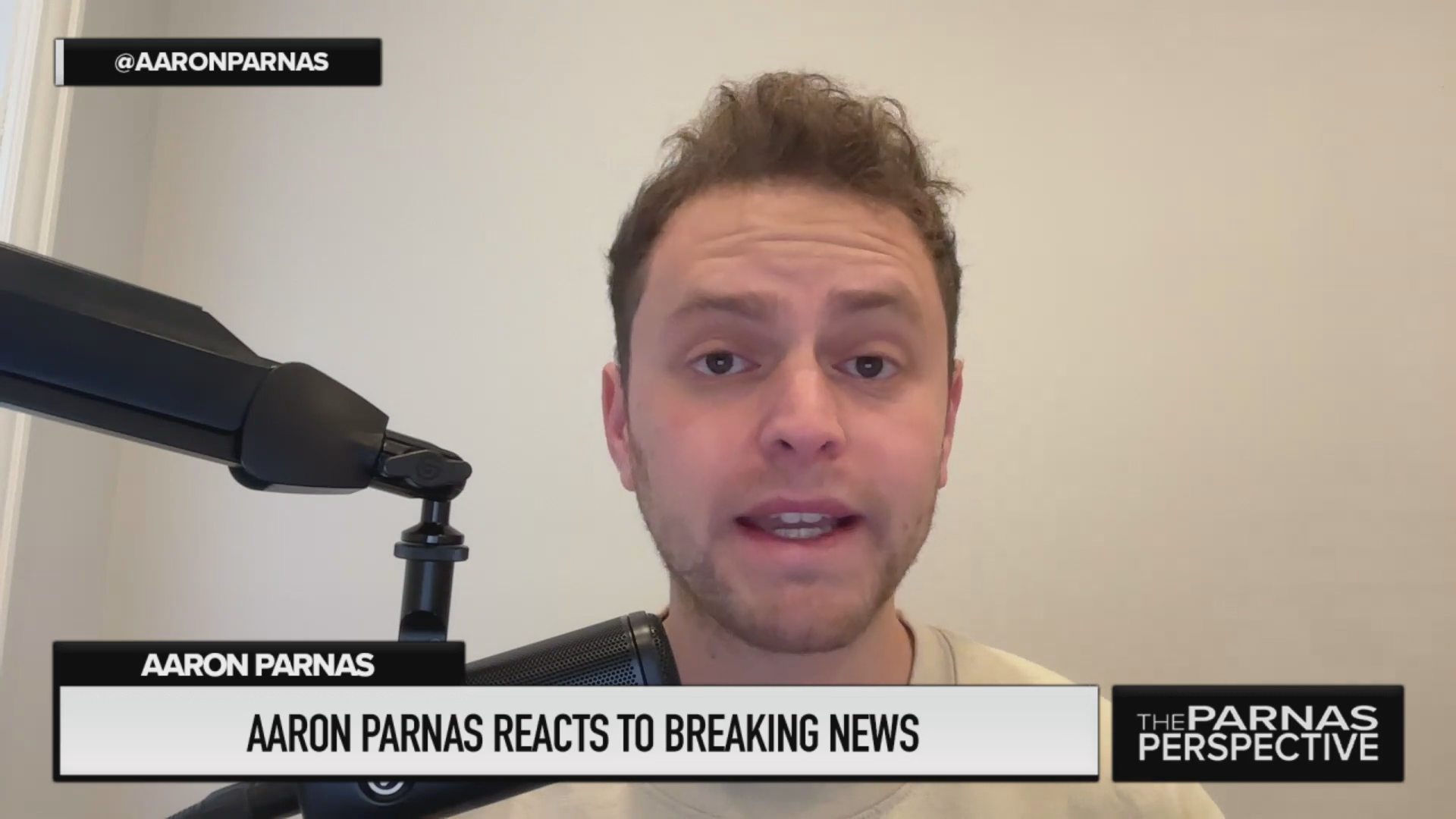
Good morning everyone. This was not the update I expected to give you this morning, but federal authorities arrested former CNN anchor Don Lemon late Thursday in what amounts to an unmistakable act of overreach—one that directly threatens the First Amendment and signals a dangerous escalation in the Trump administration’s campaign against dissent and press freedom.
As I said in the video, it has never been scarier to be a journalist in America, and I mean it. It’s also never been more important to fight back and continue reporting. I will never stop no matter what. Subscribe if you can to support my work:
Lemon was taken into custody over his presence at a protest that disrupted a church service earlier this month in St. Paul, Minnesota, despite overwhelming evidence that he was there solely as a journalist documenting events, not participating in them. A statement from Lemon’s attorney is below:
The precise charges against Lemon were still unclear at the time of his arrest. What is clear is the extraordinary path the Trump Justice Department took to get there. Just days earlier, a magistrate judge refused to sign a criminal complaint against Lemon, finding the evidence insufficient.
Rather than respecting that judicial determination, the administration appears to have deliberately maneuvered around it—either by seeking a grand jury indictment or shopping the case to another magistrate judge. This is not normal law enforcement. It is the weaponization of prosecutorial power to punish a reporter whose coverage the government did not like.
The events in question occurred on Jan. 18 at Cities Church, where protesters opposing the administration’s aggressive immigration crackdown interrupted a service led by a pastor who also serves as an Immigration and Customs Enforcement official. Protesters chanted “ICE out,” and federal prosecutors quickly moved to bring charges against eight individuals under a statute meant to protect worshippers’ rights. Lemon was swept into that dragnet despite the fact that he was not chanting, organizing, or disrupting the service—he was reporting.
A magistrate judge recognized that distinction, approving charges against only three individuals and rejecting the case against Lemon and others. A federal appeals court later declined to override that ruling. Lemon’s arrest, therefore, is not the result of new facts or new evidence.
In a functioning democracy, journalism is protected precisely because it often involves proximity to conflict, protest, and power. Lemon has been explicit about what he did inside the church: he observed the unfolding protest and spoke with those involved, including the pastor, congregants, and demonstrators. Criminalizing that conduct is not about preserving order—it is about intimidation. It sends a clear message to reporters everywhere: cover the wrong story, ask the wrong questions, and you could be next.
This crackdown unfolds against a backdrop of escalating violence and repression in Minneapolis. Federal agents have killed two protesters in recent weeks, including Alex Pretti, an intensive-care nurse shot by Customs and Border Protection officers. Rather than expressing restraint or concern, President Trump publicly smeared Pretti as an “agitator” and “perhaps an insurrectionist.”
Even as tensions spiral, the White House has attempted to project moderation. President Trump has suggested he may seek to “de-escalate” the situation, replacing the Border Patrol official overseeing the crackdown with border czar Tom Homan. Homan has floated the possibility of negotiating with local officials and reducing the federal footprint in the city. Yet these gestures ring hollow when paired with the arrest of a journalist whose conduct had already been deemed lawful by the courts.
Inside the U.S. attorney’s office in Minneapolis, the strain is becoming impossible to hide. Multiple prosecutors have resigned following internal confrontations over the administration’s refusal to investigate the shootings carried out by federal agents. Attorney General Pam Bondi has since called in reinforcements from other Midwest offices, underscoring both the scope of the unrest and the administration’s determination to press forward regardless of internal dissent.
Don Lemon’s case now stands as a warning—and a test. It raises the question of whether the federal government can simply override judicial skepticism, criminalize journalism, and use the machinery of the state to silence those who document its abuses. This is not about a single protest or a single reporter. It is about whether constitutional protections still function when power feels threatened.
In authoritarian systems, the press is not outlawed overnight. It is intimidated, prosecuted, and worn down case by case. The arrest of Don Lemon is not an anomaly. It is a signal.