



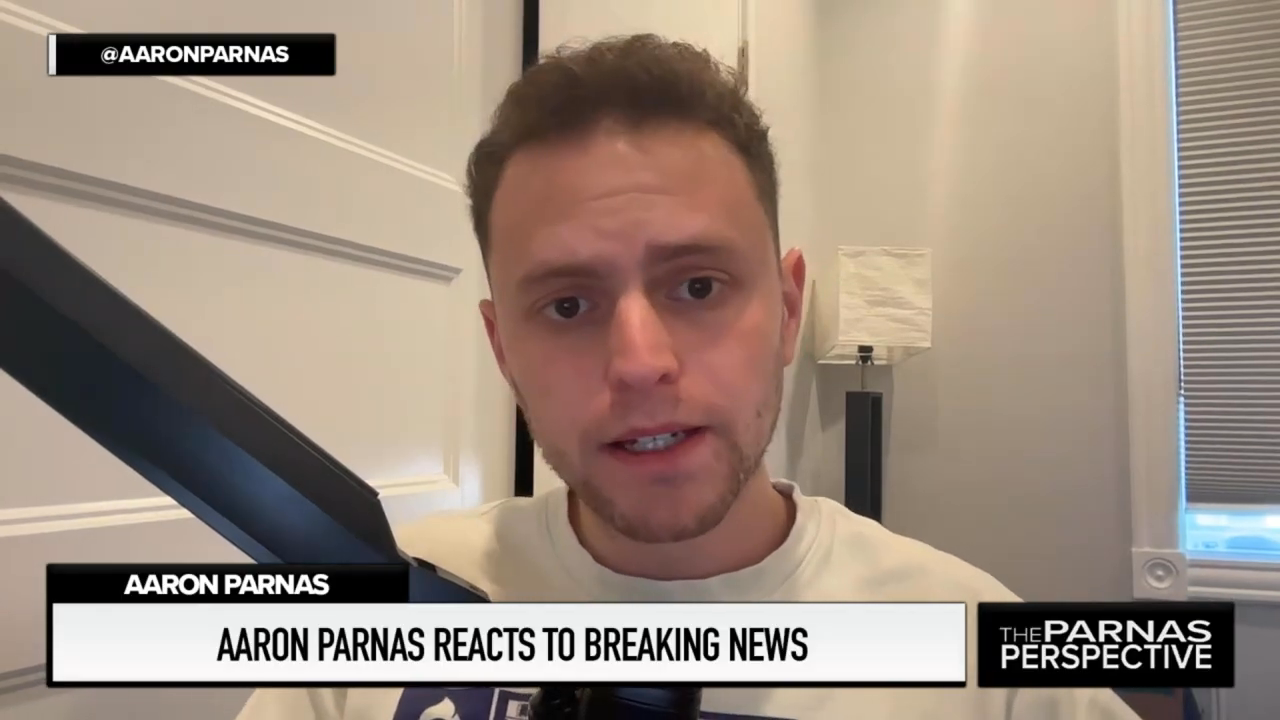
We have a significant and unexpected development this afternoon. First Lady Melania Trump has publicly addressed the issue of Jeffrey Epstein, and her remarks immediately raise concerns from both a journalistic and legal standpoint. I’m in active conversations with survivors, attorneys, and members of Congress and will have another update soon. Subscribe to support this work as we continue delivering real-time reporting on Epstein and beyond. Stories like this take constant effort, and I cannot do it alone, especially when there are those who would prefer silence.
Her statement was direct and emphatic:
She denied any personal connection to Epstein, stating that she was never friends with him and never had any form of relationship with him or his associate, Ghislaine Maxwell.
She characterized a past email exchange with Maxwell as nothing more than casual correspondence. As you can see from the email below, which we uncovered months ago, she was asking Maxwell to call her. This is more than just a casual email:
She further emphasized that she was not involved in any of Epstein’s activities, was never on his plane, and never visited his private island. She also pointed out that she has never been legally accused or convicted of any wrongdoing related to Epstein’s crimes.
However, the most consequential part of her statement was not the denial. It was her call to action.
Melania Trump asserted that Epstein did not act alone. But instead of urging the United States Department of Justice to release remaining investigative files, she called on Congress to hold public hearings where survivors would testify under oath.
She framed this as an opportunity for transparency and accountability, suggesting that victims should have the chance to tell their stories publicly if they choose.
Meanwhile, Robert Garcia has already called on James Comer to initiate such a hearing:
Why This Timing Is Suspicious
From a journalistic perspective, the timing of this statement is difficult to ignore.
For months, discussion of Epstein has largely faded from the national spotlight. The broader political environment, including figures connected to Donald Trump, has not actively engaged with the issue. In fact, there has been a noticeable shift away from sustained media attention on Epstein and his victims.
Now, without clear prompting, the White House is reintroducing the issue in a highly visible way.
That raises two immediate possibilities.
The first is that this is a preemptive move. It may be an attempt to get ahead of a potentially damaging story that has yet to break.
The second is that Melania Trump may be carving out an independent position. After years of being tied to questions surrounding Epstein, this could represent a deliberate effort to address the issue on her own terms.
At this stage, both explanations remain speculative, but neither can be dismissed.
Legal Risks for Survivors
From a legal perspective, the implications are even more concerning.
First, the responsibility to investigate crimes like those committed by Epstein lies with the Department of Justice, not Congress. The DOJ is equipped to conduct survivor interviews in a controlled, non-adversarial environment. Congressional hearings, by contrast, are inherently political and often adversarial. Survivors could be subjected to aggressive questioning, particularly from lawmakers who may be skeptical of their claims.
Second, Melania Trump’s assertion that Epstein did not act alone appears to diverge from the current stance of Attorney General Todd Blanche, who has indicated that there is no ongoing investigation into additional perpetrators. This contradiction raises questions about the administration’s internal alignment on the issue.
Third, and perhaps most importantly, several Epstein survivors have previously entered into settlements with his estate. Some of these agreements include non-disclosure provisions or other legal restrictions. Public testimony in a congressional hearing could expose survivors to legal risk, including potential challenges related to those agreements.
In other words, what is being presented as an opportunity for survivors to speak could, in practice, place them in a legally precarious position.
A Call for Caution
None of this is to suggest that survivors should not have the opportunity to tell their stories. They absolutely should. But the setting, structure, and legal protections surrounding that process matter enormously.
Right now, the proposal being put forward raises more questions than answers.
Why now? Why Congress instead of the Department of Justice? And what safeguards, if any, are in place to protect the very people this effort claims to support?
Until those questions are addressed, there is reason to approach this development with caution.
I am continuing to speak with survivors and legal experts, and will provide further updates as more information becomes available.