



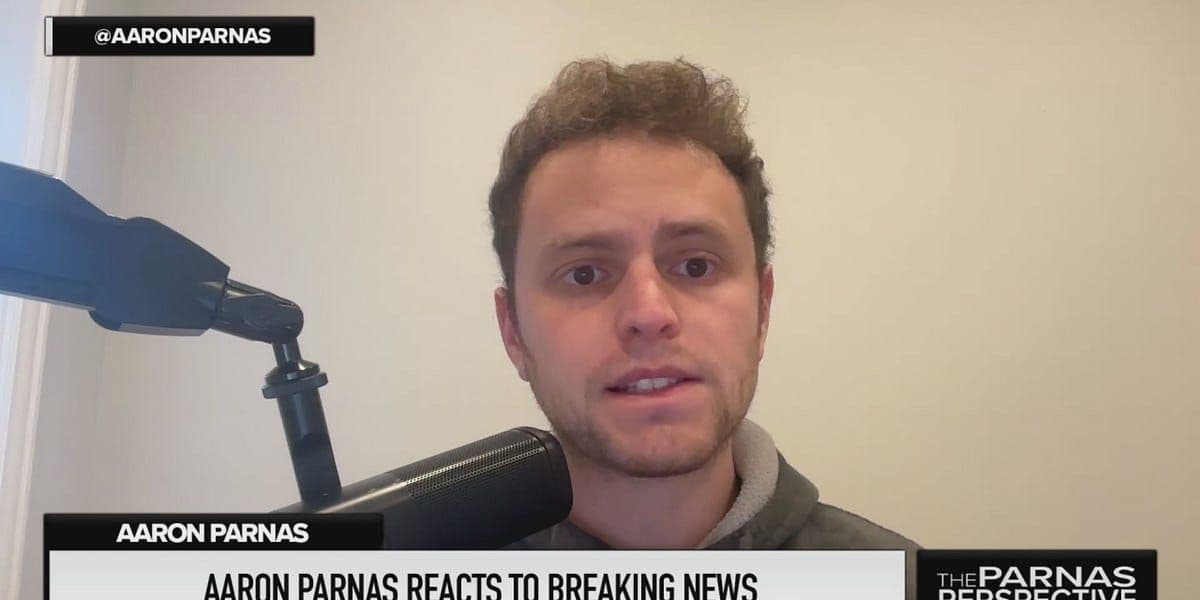
We have a major update concerning the Epstein files. I have just received a filing from the Justice Department where it is seeking judicial approval to publicly release a wide array of evidence gathered in the federal investigations of Jeffrey Epstein and Ghislaine Maxwell, marking a significant step toward complying with the federal transparency mandate. The move could open a trove of long-sealed records that have remained out of public view for years.
I will not allow this story to disappear, and I am committed to exposing every hidden record. But real accountability takes collective strength. If you value fearless journalism and the pursuit of truth, subscribe today and stand with me as we shine a light on those who would rather remain unseen.
In a letter submitted Wednesday to the judge overseeing Maxwell’s now-closed criminal case, federal prosecutors asked the court to lift a protective order that previously barred the public dissemination of sensitive material exchanged during the discovery process. The order had been put in place to protect classified, confidential, and victim-related information as Maxwell prepared for trial.
According to prosecutors, the materials covered by the protective order are extensive and span nearly every aspect of the Epstein-Maxwell investigations. They include:
- Search warrants and affidavits
- Financial documents and bank records
- Travel documents and flight manifests
- Government-generated records such as police reports, arrest reports, and booking photographs
- Depositions collected during earlier civil investigations
- Materials from the administration of Epstein’s estate
- Reports and notes from interviews with witnesses and survivors
Together, these documents represent some of the most closely guarded records related to the two high-profile cases—files that survivors, journalists, and lawmakers have long pushed to have released.
Recent reporting from Bloomberg’s FOIA Files has shed new light on what has been happening inside federal agencies as they prepare the Epstein records for public release. The internal emails obtained by journalist Jason Leopold reveal a massive and complicated effort inside the FBI to review, process, and heavily redact more than 300 gigabytes of Epstein related material. The work involved thousands of overtime hours, specialized training sessions, and strict protocols that agents were instructed to follow inside a secure facility in Winchester, Virginia. This is one email obtained from Bloomberg’s reporting:
One of the most striking revelations concerns the redaction practices applied to the Epstein files. The FBI’s internal communications describe a project known as the Epstein Transparency Project. According to earlier FOIA releases, this project resulted in the repeated removal of President Donald Trump’s name from certain documents. The bureau cited standard exemptions, but these redactions have intensified public scrutiny and have become a significant point of debate in understanding how political figures were handled within the larger Epstein investigation.
As the Justice Department now seeks court approval to lift protective orders and release additional records, questions remain about how and why specific names, including Trump’s, were treated during earlier phases of the review. Documents withheld under exemptions related to ongoing investigations and privacy protections suggest that the public still has only a limited view of what the government collected over years of inquiry.
The stakes of transparency are increasing. Congress has passed the Epstein Files Transparency Act, which requires broader disclosure. Federal judges are considering requests to unseal financial records, travel logs, search warrants, interview notes, and grand jury transcripts. Survivors and their attorneys are contacting prosecutors with concerns about how these releases will be handled and whether sensitive information will be disclosed without proper context or protection.
I am working around the clock to track these developments, pursue additional documents, and analyze every new release. Independent reporting is essential if the public is to understand how these redactions were made and what information was withheld. If you believe in accountability and in journalism that follows the evidence wherever it leads, subscribe today and help keep this investigation moving forward.